

At 11 p.m. on a Tuesday in downtown Los Angeles, a certain kind of silence descends upon a ridesharing app; it’s the kind where wait times exceed fifteen minutes and the small car symbols disappear from the map. It has been occurring increasingly frequently. It turns out that drivers are just logging off. Around 2023, the math stopped working for them, and not enough of them returned. Invisible to the majority of passengers, this gradual absence is at the core of what is now turning into a real reckoning for Uber and Lyft, one that is changing these platforms’ perceptions of the workers themselves.
The comfortable lie that drivers were business owners rather than employees has long been the foundation of the gig economy. It allowed the businesses to reduce liability, avoid payroll taxes, and grow quickly. The drivers tolerated the trade-off for a while because Friday night surge prices might be legitimately fantastic and the independence felt genuine. However, any goodwill has been undermined by years of algorithmic tariff revisions, growing insurance premiums, and vehicle damage. A quiet crisis resulted from high turnover. Uber and Lyft cannot operate a robotaxi future with a workforce that is constantly leaving.The platforms are changing course because driver shortages are an operational emergency, not because they suddenly care more about employees.
Additionally, the regulatory wall was ineffective. Uber and Lyft were forced to spend more than $200 million supporting Proposition 22, a ballot measure that essentially carved out an exception but at great expense and under intense scrutiny, after California’s AB 5 was passed. Similar laws are now appearing in other US states as well as throughout Europe. Governments are advocating for basic necessities like sick leave, holiday pay, and minimum wage guarantees. The corporations argued for years that the flexibility that made gig labor appealing would be destroyed by these demands. That argument is becoming more difficult to maintain, particularly as the number of court cases rises and drivers publicly organize.
As a result, both platforms have been subtly changing the terms of their relationship with drivers, while neither wants to acknowledge what it may be: a partial retreat. Before accepting a trip, drivers can view the destination and expected earnings thanks to Uber’s implementation of upfront fare visibility in a number of markets. It sounds insignificant. It isn’t. Drivers were frequently frustrated by the previous “blind dispatch” paradigm, in which they clicked agree without knowing where they were going or how much.
Uber won’t incur any short-term costs from its removal, but it makes a big difference to someone who is trying to determine whether the next hour of driving is worth the gas. According to reports, Lyft’s 2026 redesign went a step further by enabling drivers to choose by geographic zones and, in certain configurations, even build up a base of recurring passengers, transforming what was once intended to be a faceless platform transaction into something with a little more continuity.
Fairness may be the true driving force behind these actions. However, as this develops, there’s a sense that the timing isn’t accidental. Uber has invested billions in Waymo partnerships and the development of autonomous vehicles. Although its Motional deal formally halted in 2024, Lyft has had its own AV flirtations. The future of robotaxis is genuine; it’s simply farther off than the initial excitement indicated. Human drivers are an essential bridge until it comes. That bridge is in danger due to a diminished and demoralized driver pool. The new benefits, such as flexible savings accounts, labor board negotiations, and healthcare subsidies in certain markets, begin to resemble infrastructure upkeep rather than acts of kindness.
The passenger side of the equation must also be taken into account. Higher costs and longer wait times have begun to subtly break the habit. The casual Uber customer who used to use the app mindlessly is now occasionally checking the bus timetable first. Both businesses are aware that driver supply is at least partially responsible for this significant behavioral change. Platforms can run promotions and modify surge algorithms, but if the underlying driver base is small, the product suffers in ways that no code update can completely address.
The gig economy is not going away. However, the initial form of it, which was indefinitely expandable, consequence-free, and frictionless, might already be extinct.
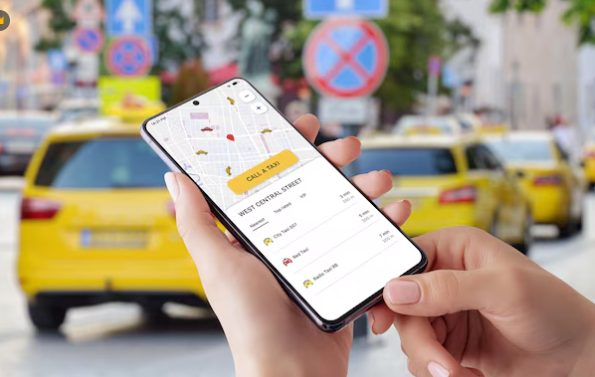
It’s yet unclear what will take its place. Drivers who are still officially contractors on paper but receive benefit packages that would have appeared unimaginable five years ago are an example of hybrid classification models that are starting to appear. It’s still unclear whether this appeases authorities or just postpones the conflict because it’s a legal murky area. Uber is undoubtedly opposing the EU’s platform work rule, which is pushing for something more like to employment for a significant portion of workers. However, it appears difficult to change the course of events. “Independent contractor with healthcare and zone filtering” eventually begins to sound a lot like a different type of work.
For the time being, cars continue to travel along late-night streets between strangers, while app icons continue to flicker across city maps. The infrastructure is in place. The majority of the habit still exists. However, the gig economy’s massive experiment with consequence-free labor is facing a reckoning that it can’t just surge-price its way out of, and for once, the businesses that based their valuations on it are taking part in the difficult task of finding out what comes next.
