

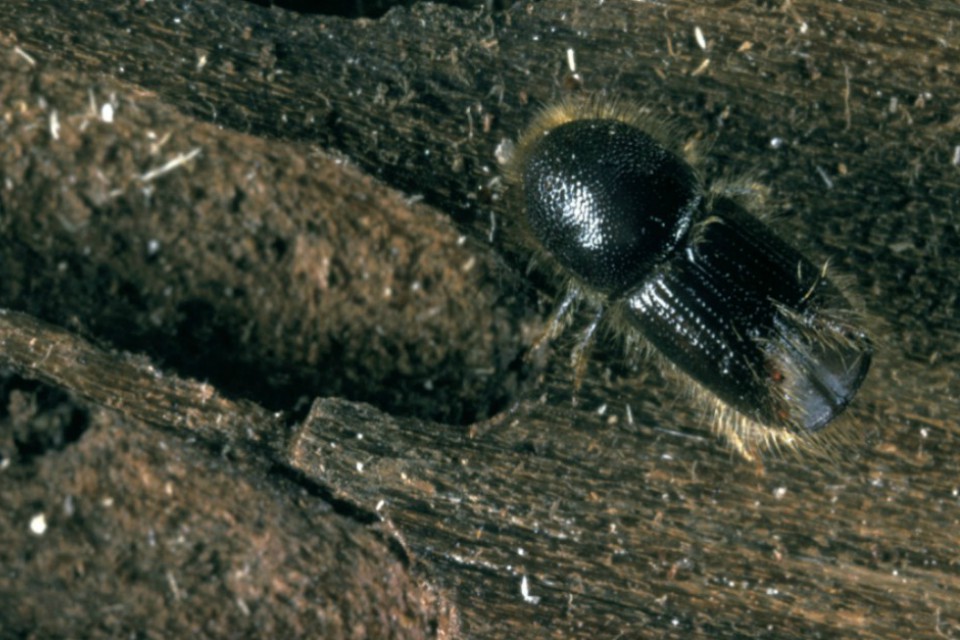
Planting spruce trees in parts of East Anglia and South East England will be restricted following the discovery of the eight-toothed spruce bark beetle, also known as Ips typographus. The Forestry Commission announced these measures on Tuesday, 8 October, as part of ongoing efforts to control the spread of this serious pest, which poses a significant threat to spruce trees.
The new restrictions will come into effect on 29 October, affecting a designated area known as the Demarcated Area (DMA). Landowners, businesses, and land managers within this zone are urged to comply with the new regulations and remain vigilant to protect against Ips typographus. Although the planting of spruce trees for ornamental and scientific purposes is generally prohibited, there are specific allowances. For example, Christmas tree growers can continue to cultivate an unlimited number of spruce trees up to three metres in height without requiring prior authorisation.
This decision follows alarming findings this year, including the first identification of Ips typographus on Sitka spruce in July. The beetle, which was first detected in the UK in 2018, is believed to have been transported across the English Channel from continental Europe. It primarily targets stressed or dying trees but can also attack healthy specimens under the right conditions.
The areas affected by the new restrictions include parts of Lincolnshire, Bedfordshire, Cambridgeshire, Norfolk, Suffolk, Hampshire, Berkshire, Buckinghamshire, Hertfordshire, Surrey, Greater London, Sussex, Kent, and Essex. The Forestry Commission has emphasised the importance of these measures in limiting the beetle’s spread and safeguarding the UK’s forestry and timber industries.
Andrea Deol, Head of Plant Health Forestry at the Forestry Commission, highlighted the importance of these restrictions ahead of the tree-planting season. “Ips typographus can have a serious impact on spruce trees, and so restricting spruce planting in some areas of East and South East England will help with our ongoing eradication efforts,” she said. Deol also encouraged landowners and timber processors to remain vigilant and report any sightings of the pest via the Tree Alert Portal.
Professor Nicola Spence, Chief Plant Health Officer at Defra, reiterated the significance of addressing pests and pathogens that threaten biosecurity. “Ips typographus has the potential to cause significant damage to Great Britain’s forestry and timber industries,” she warned. Spence urged all landowners and land managers to check the health of spruce trees on their properties and to take swift action against any susceptible material.
Existing restrictions designed to limit the pest’s spread through timber movement remain in effect. These regulations require pre-notification and authorisation from the Forestry Commission for any felling or movement of susceptible materials within the DMA. However, exemptions are available for lower-risk scenarios, including trees grown at nurseries and those cultivated for ornamental, scientific, or trade purposes, especially large Christmas trees.
As these new measures take effect, the Forestry Commission and Defra are calling for collective action to protect the UK’s valuable forest resources from the threats posed by Ips typographus and other pests.
